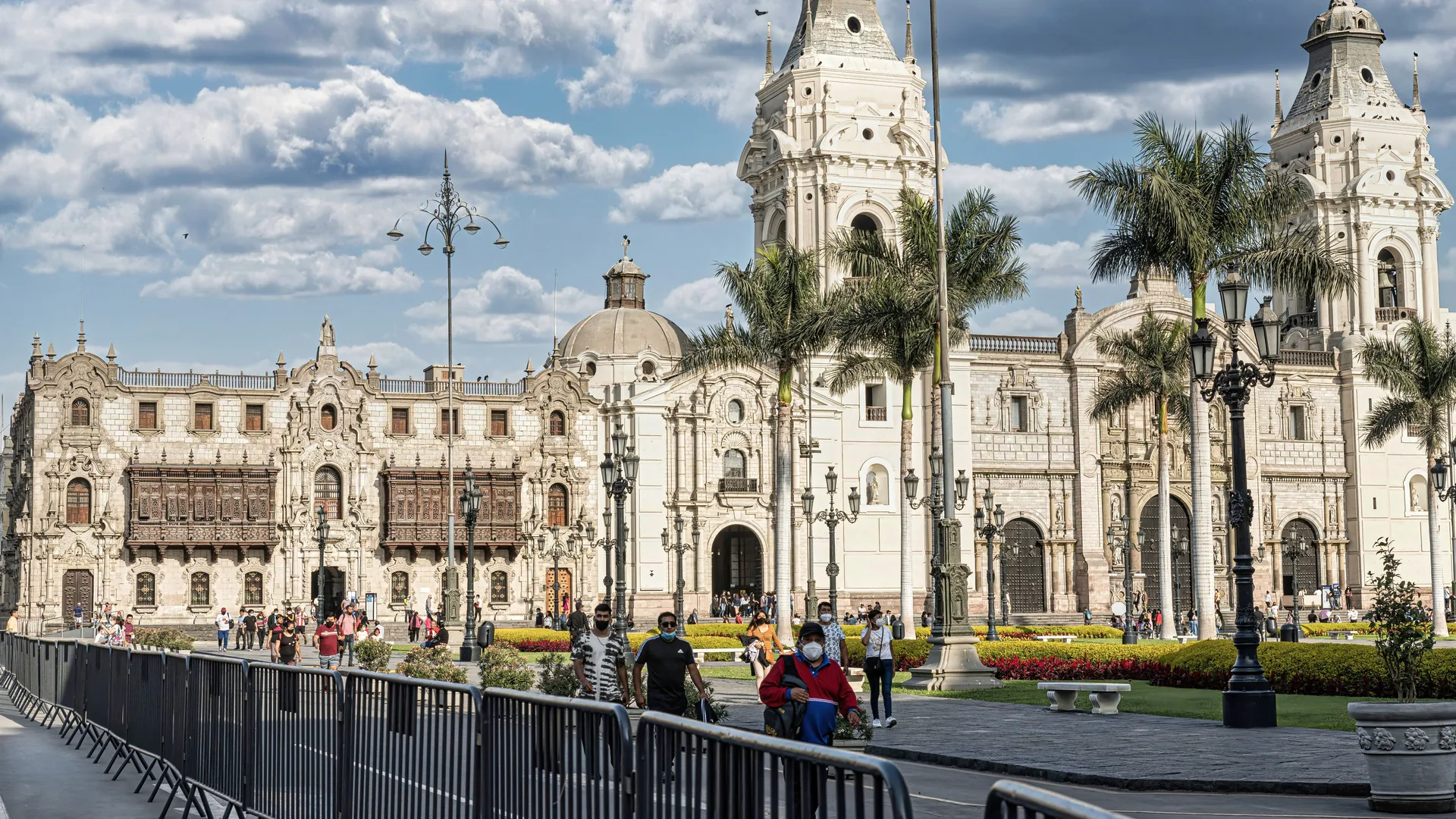
Machu Picchu gets all the attention, and it earns it — but Peru's real depth is in the Sacred Valley, the altitude of Cusco, and the alternative treks that see a fraction of the Inca Trail's crowds. This guide covers a realistic itinerary, acclimatization (genuinely important here), and how to actually get an Inca Trail permit before they sell out.
When to go
May to September is the dry season and the best time for trekking, though it's also the busiest and coldest at night in the highlands. The shoulder months of April and October trade a little more rain for noticeably thinner crowds.
Realistic costs
Budget $35–45/day backpacking with hostels and local menus, or $70–100/day with private transport and mid-range hotels. The classic 4-day Inca Trail runs $650–800 per person including permits, porters and guide — book 5–6 months ahead, permits are limited to 500 people/day including staff.
Acclimatization matters here
Cusco sits at 3,400m — most altitude sickness cases on this trip happen in the first 48 hours in Cusco, not on the trail. Spend at least 2 full days there before any trek, hydrate more than feels necessary, and consider starting in the slightly lower Sacred Valley instead.
A 14-day route
Lima (1 night) → Cusco & Sacred Valley (4 nights, acclimatize) → Inca Trail or Salkantay trek (4 days) → Machu Picchu → Aguas Calientes (1 night) → Cusco (2 nights) → Lima (2 nights).